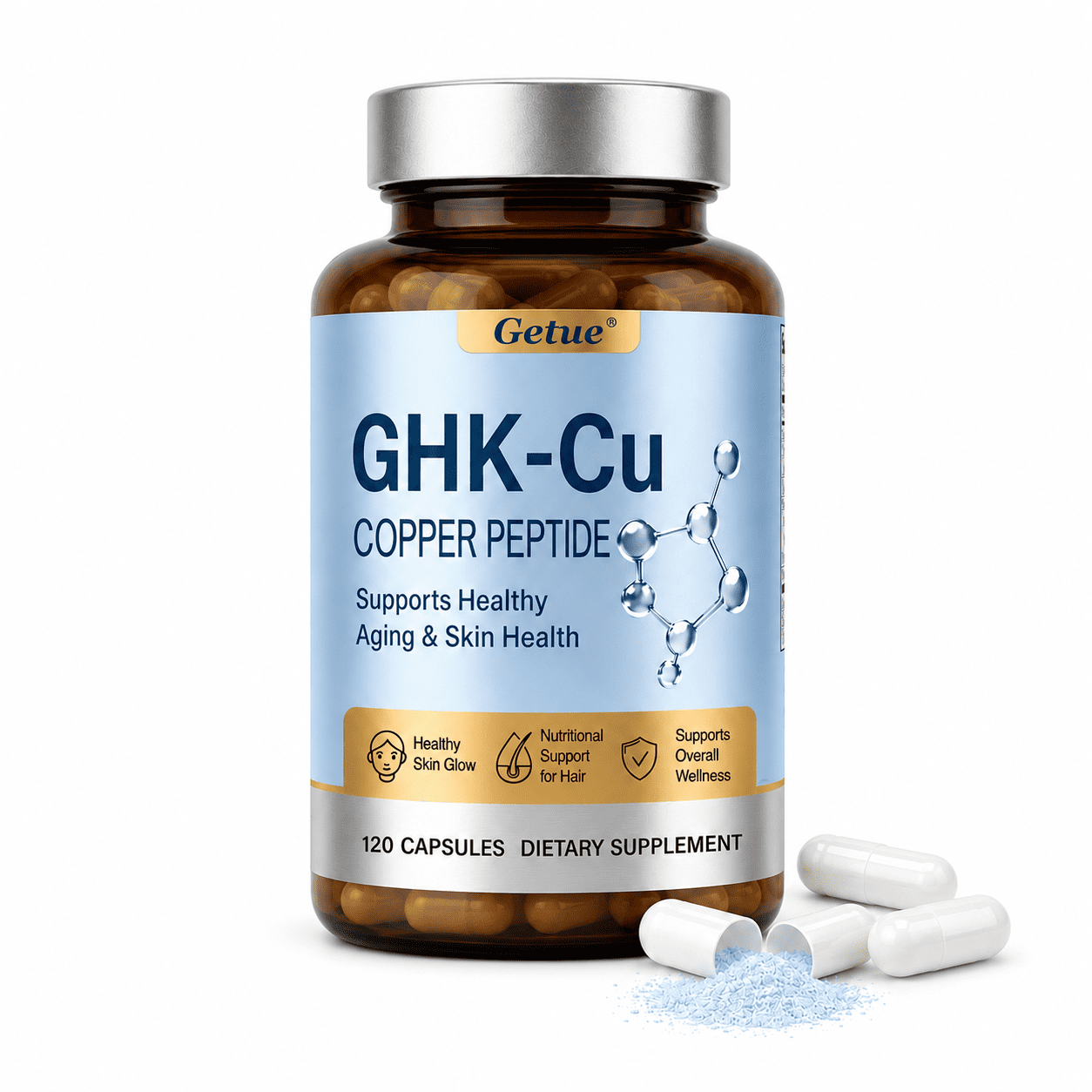
The biphasic dose-response The finding that 50 mg/mL outperformed 100 mg/mL mirrors what was observed in the laboratory copper peptides show optimal activity within a specific concentration window
Absorption happens through the oral mucosa and bypasses first-pass liver metabolism
Stimulates Hair Follicle Activity Encourages dormant follicles to re-enter the growth phase (anagen)
If you want the math handled for you, use the peptide reconstitution calculator
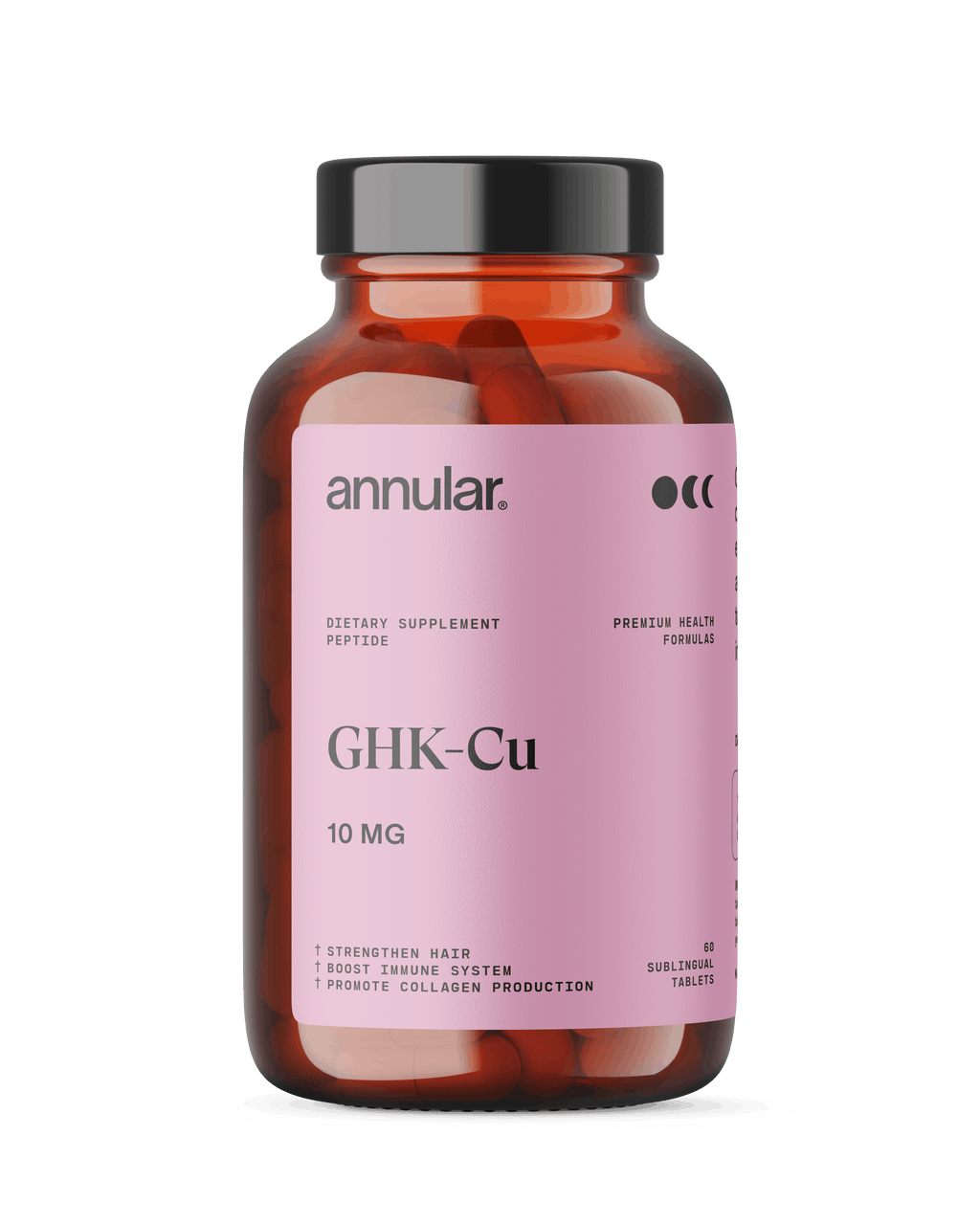
Topical formulations Serum : Most common, 1-3% GHK-Cu concentration Cream : Heavier, good for dry skin, 0.5-2% concentration Patches : Copper peptide patches deliver sustained release, convenient DIY : Some make their own from powder (advanced users) Commercial products : Many skincare brands offer GHK-Cu serums Topical application Frequency : Apply 2x daily (morning and evening) Amount : 2-3 drops serum or pea-sized amount cream Application sites : Face and neck (anti-aging) Under eyes (fine lines, dark circles) Hands (age spots, wrinkles) Any area with skin concerns Process : Cleanse skin Apply to slightly damp skin Pat gently, don't rub aggressively Let absorb (2-3 minutes) Follow with moisturizer if needed Timing : Morning application + evening application for best results Topical vs injectable for skin Topical advantages : Less expensive ($30-60 per month) No injection skill needed Direct application to target area Convenient daily use Injectable advantages : Systemic benefits (not just skin) Higher bioavailability Anti-inflammatory effects throughout body Better for deep skin layers Best approach : Combine both for maximum skin results (topical + 1mg daily injectable) Expected results timeline 4-6 weeks : Improved skin texture, slight glow 8-12 weeks : Reduced fine lines, better firmness 4-6 months : Significant wrinkle reduction, improved elasticity, even tone Long-term : Continued improvement with consistent use Realistic expectations : Not Botox-level immediate results
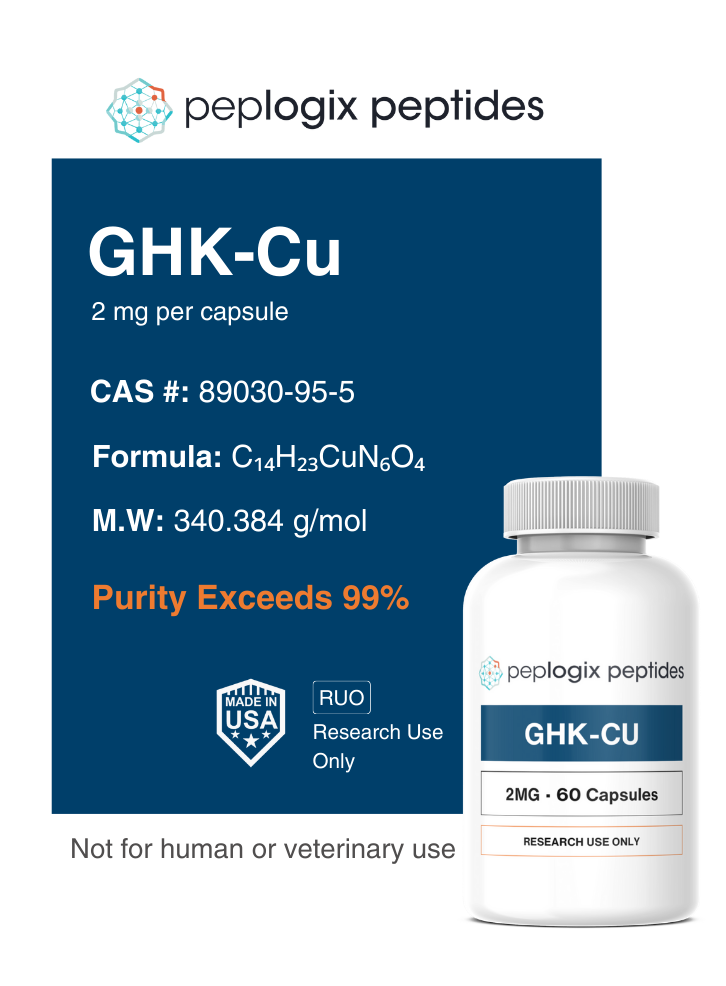
GHK-Cu sits well alongside these as an adjunct that targets scalp environment and follicle resilience