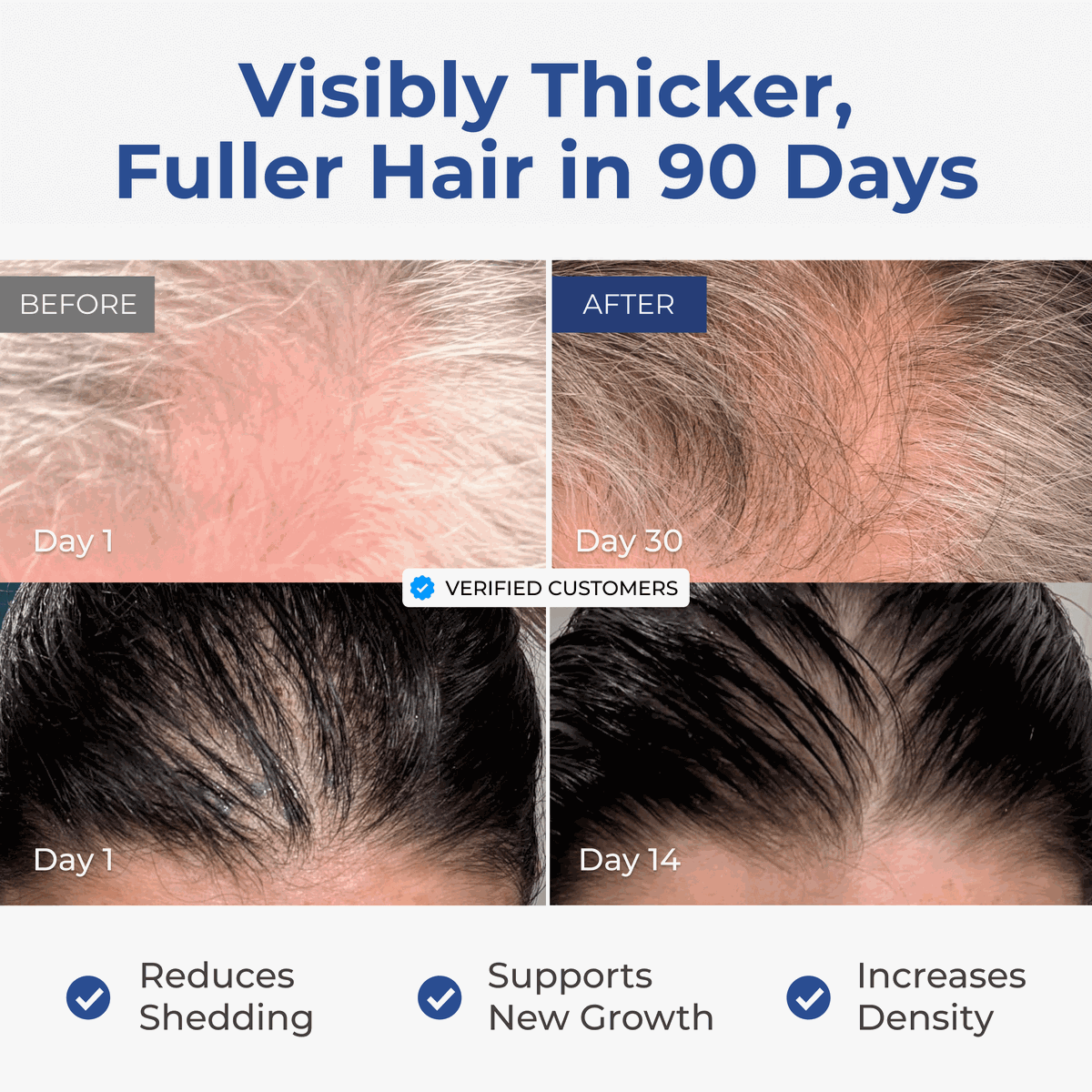
Many studies focus on understanding how biological signals affect hair follicle activity, growth cycles, and overall scalp health
Good candidates Researchers studying anti-aging interventions Those investigating wound healing acceleration Researchers exploring hair and skin improvements Those combining with other peptides in tissue repair stacks Researchers with experience handling injectable compounds Poor candidates Individuals with Wilson's disease or copper metabolism disorders Those with active cancer or history of hormone-sensitive cancers (until more research exists) Pregnant or breastfeeding individuals Those taking anticoagulant medications (potential interaction concerns) Individuals with known copper allergies or sensitivities Anyone uncomfortable with self-injection or unable to maintain sterile technique When uncertain, consult a healthcare provider familiar with peptide research before beginning any protocol
Suitable fluoro-surfactants are in most cases those according to the formula (1): (Xf)n(Y)m(Z)p and contain one, two or more fluorinated radicals (Xf) and one or more polar hydrophilic groups (Z), which radicals and polar hydrophilic groups are usually (but not necessarily) connected together by one or more Suitable linking groups (Y)
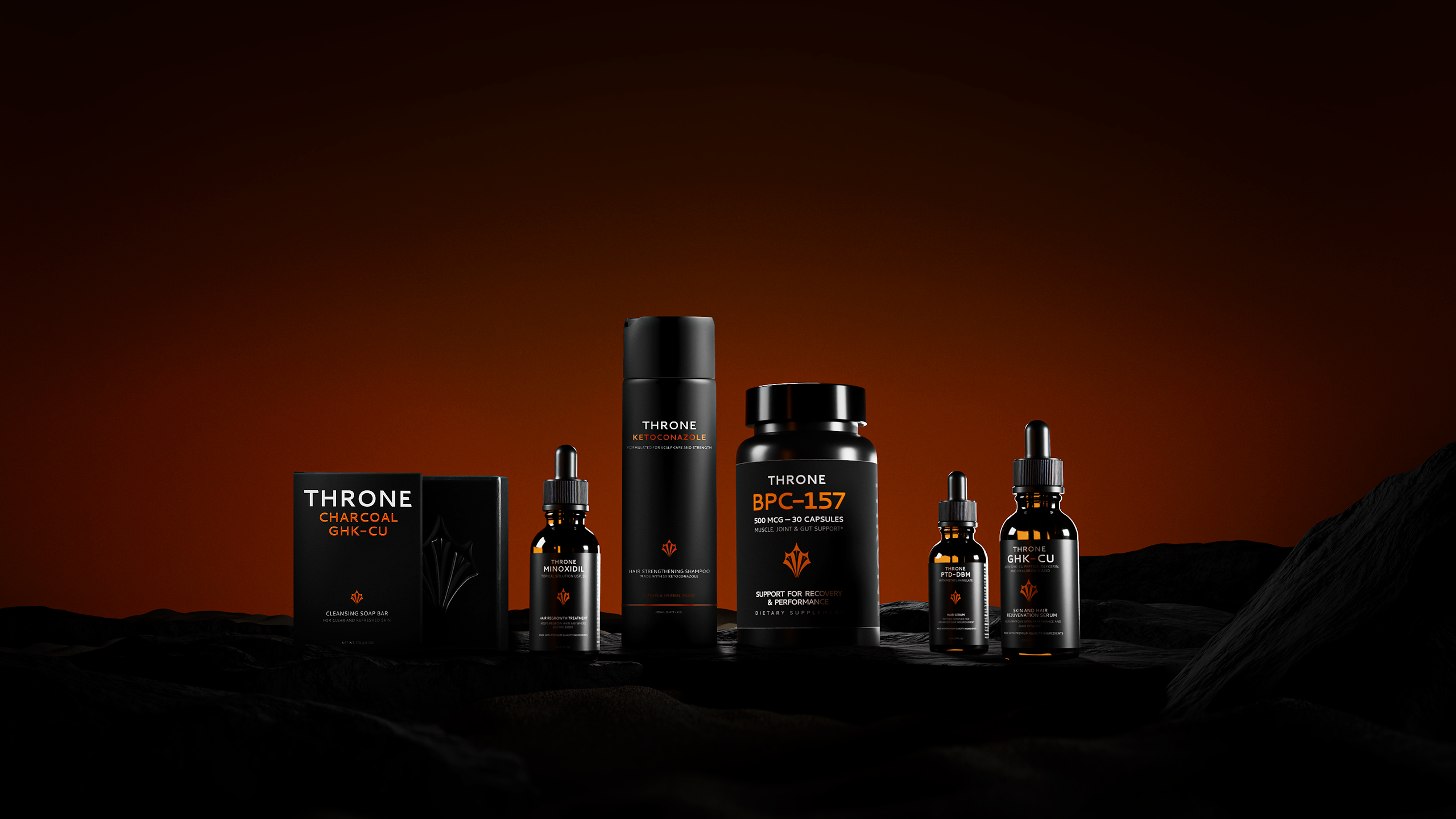
GHK-Cu and SNAP-8 are studied for their ability to support skin appearance and smoothness when applied topically
Ferritin levels can be difficult to interpret if infection or inflammation is present, as levels can be high even in the presence of iron deficiency
Also referred to as mecobalamin injection, methycobal injection, or inj methylcobalamin, this treatment is essential for healthy nerve function, red blood cell production, and brain health