Disclosure of interest: All of authors: nothing to disclose Poster Session II - DIGITAL TRANSFORMATION, AI AND ROBOTICS 07.00 - DIGITAL TRANSFORMATION, AI AND ROBOTICS - 07.01 - TECHNOLOGY INNOVATIONS: ROBOTS, VIRTUAL REALITY, ARTIFICIAL INTELLIGENCE AND MORE P895 - ESOC25-2267 COMPARING MACHINE LEARNING MODELS FOR DIFFERENTIATING STROKE SUBTYPES USING BIOMARKERS AND IMAGING MODALITIES Manabesh Nath 1 , Pradeep Kumar 2 , Shubham Misra 3 , Manjari Tripathi 1 , Sachin Kumar 4 , Shantanu Sengupta 5 , Awadh Pandit 1 , Deepti Vibha 1 1 Department of Neurology All India Institute of Medical Sciences, Neurosciences Centre, New Delhi, India, 2 Clinical Research Unit, All India Institute of Medical Sciences, New Delhi, India, 3 Department of Neurology, Yale University, New Haven, United States, 4 Center for Biomedical Engineering, Indian Institute of Technology, New Delhi, India, 5 Institute of Genomics and Integrative Biology, New Delhi, India Background and Aims: Accurate and rapid stroke subtype differentiation is crucial for effective treatment

Small molecule RITA binds to p53, blocks p53-HDM-2 interaction and activates p53 function in tumors
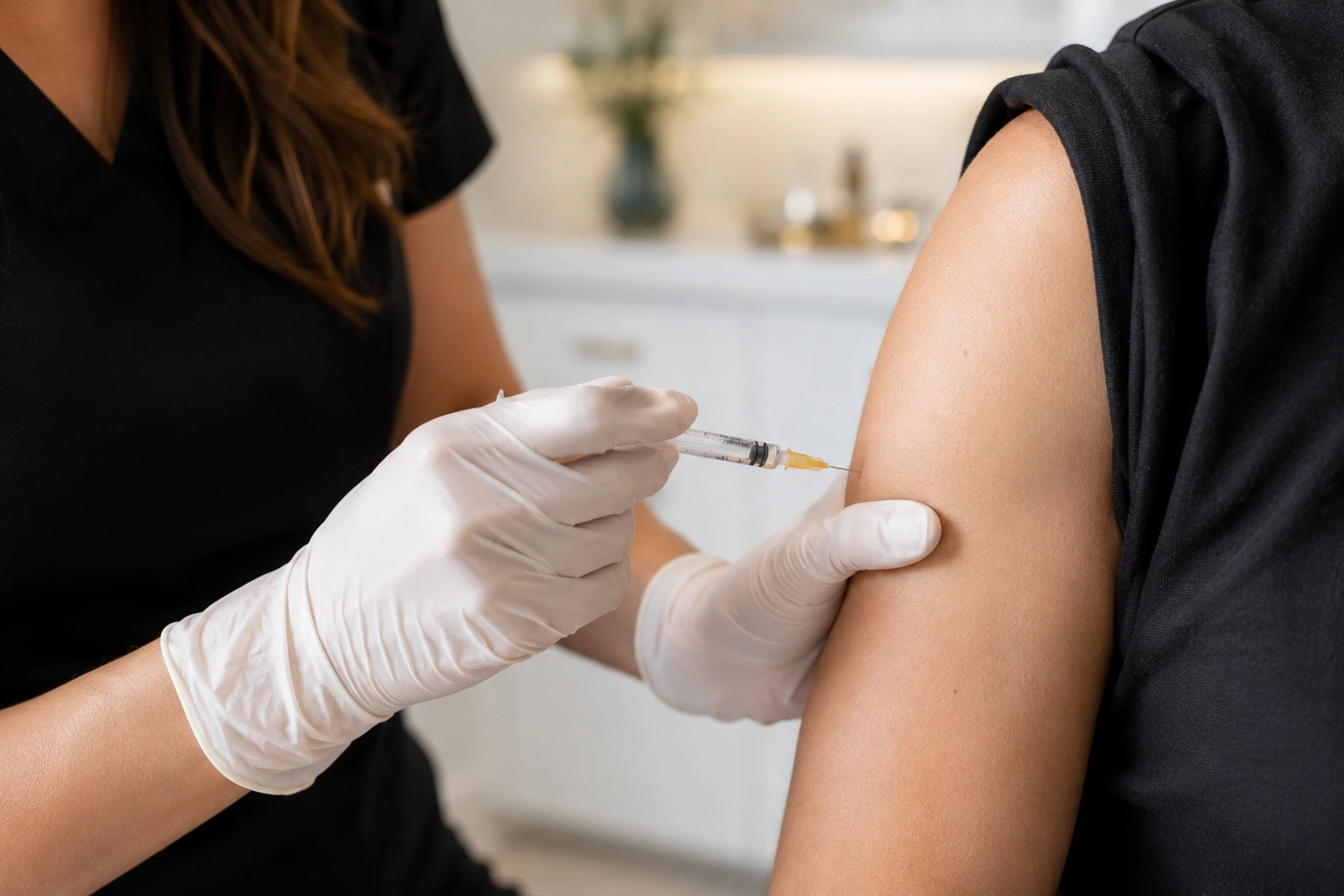
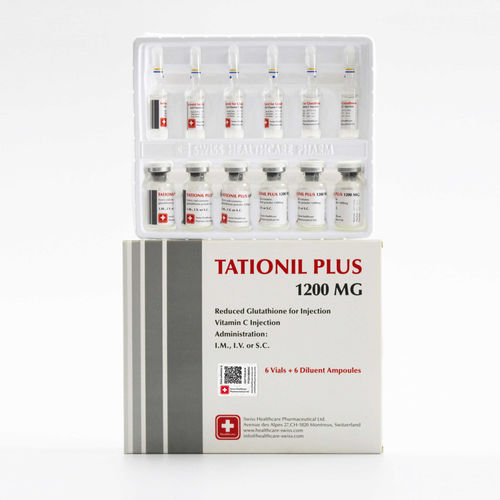
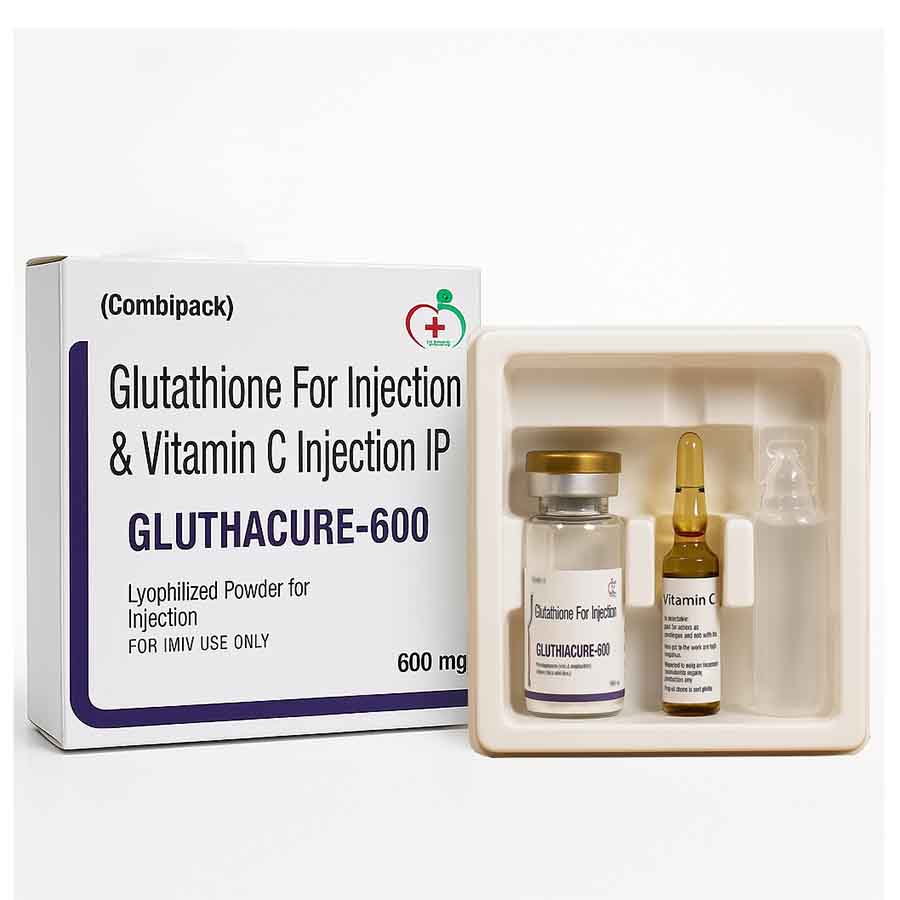
Injectables for IV Hydration Therapy in Destin Injections are a powerful way to support your bodys needs, whether you are seeking more energy, a stronger immune system, or better recovery
& Wang, X
GHK-Cu has a variety of roles in the human body including, but not limited to, promoting activation of wound healing, attracting immune cells, anti-oxidant and anti-inflammatory effects, stimulating collagen and glycosaminoglycan synthesis in skin fibroblasts, and promoting blood vessel growth
Psilocybin combines rapid synaptogenic and anti-inammatory effects in vitro