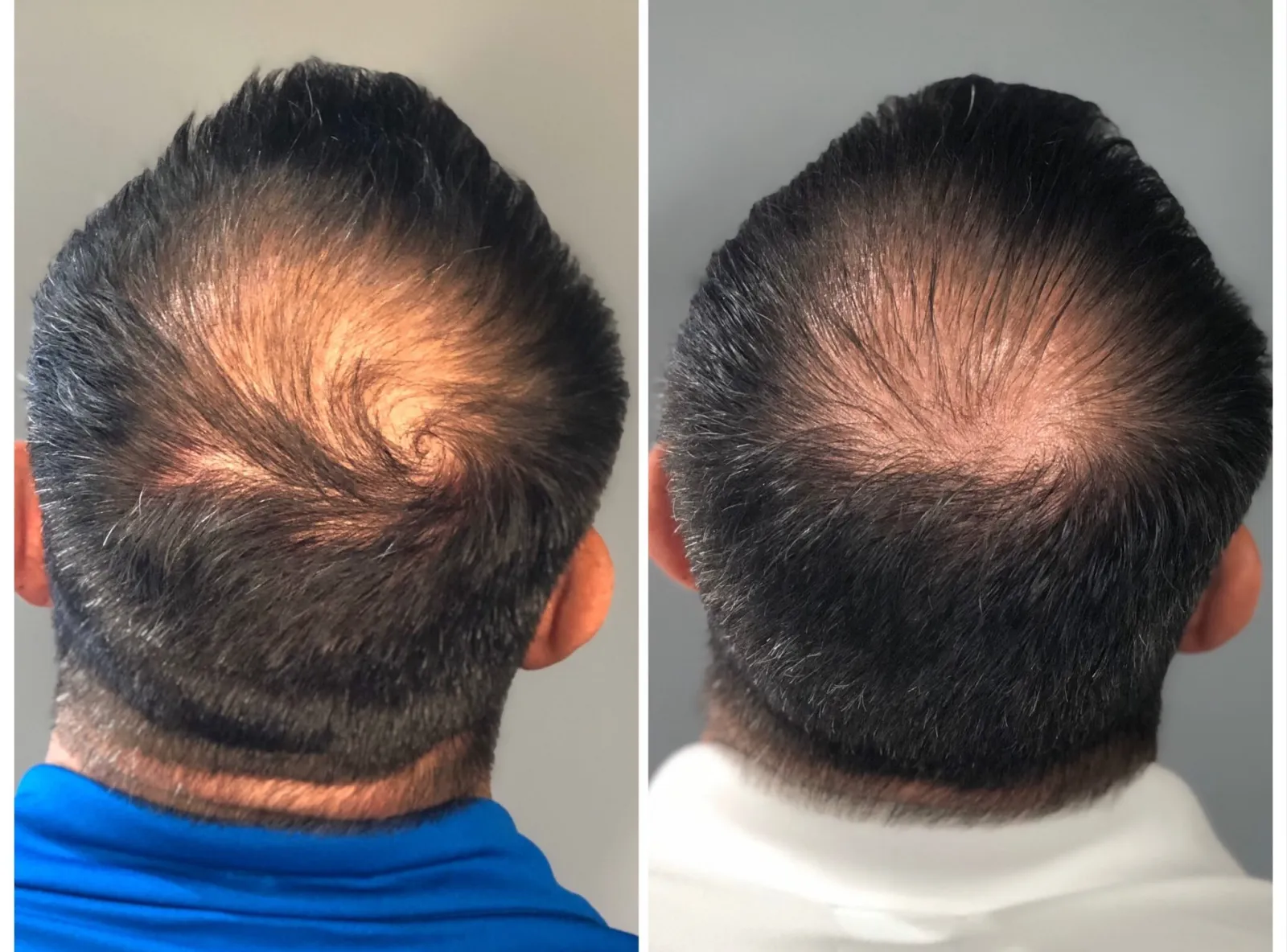
Observations in these settings have included: Effects on fibroblast activity in vitro Interactions with extracellular matrix components Influence on cellular repair mechanisms in experimental models Potential involvement in hair follicle cell studies (non-clinical) It is important to note that these findings are derived from preclinical or laboratory-based research and are not conclusive for real-world applications
Comparative analysis with other antioxidant peptides and molecules suggested that GHK might indicate a higher relative affinity for hydroxyl radical neutralization under laboratory settings
For example, a brand that sells a barrier-support moisturizer can recommend using the copper peptide serum as the first step in a recovery routine
Aus heutiger Sicht kann man deshalb sagen: Kupferpeptide sind kein Wundermittel, aber ein interessanter und vergleichsweise gut untersuchter kosmetischer Wirkstoff
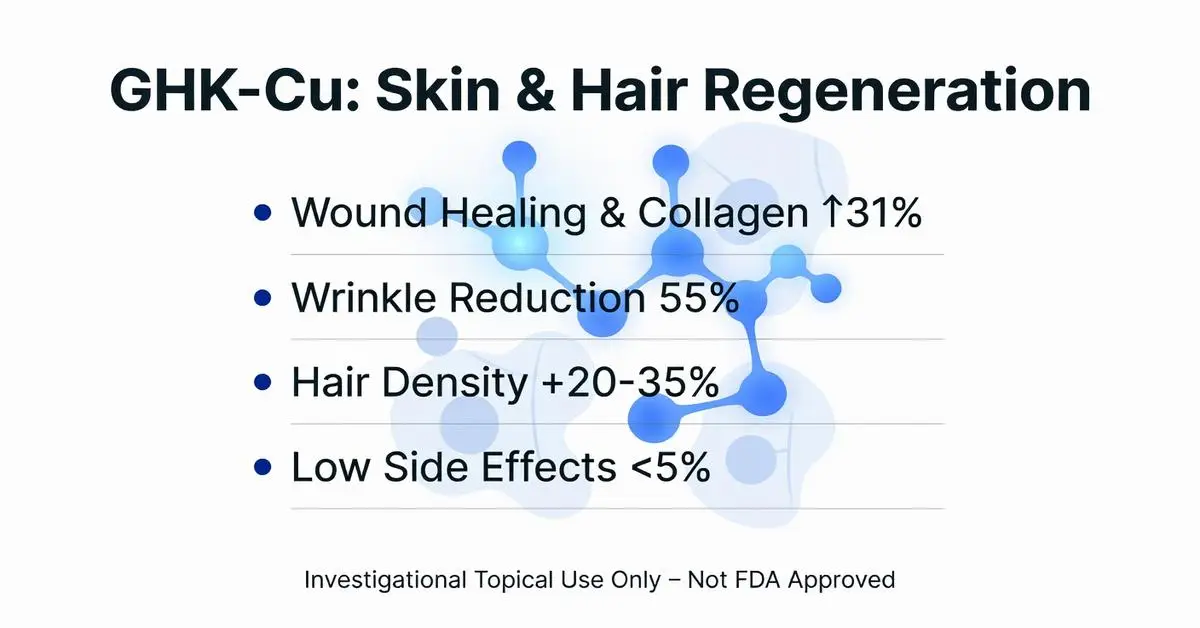
Antioxidant & Inflammation-Related Research Because GHK-Cu interacts with copper-related antioxidant pathways, it is commonly researched for its interaction with: Oxidative-stress regulation Antioxidant-defense mechanisms Superoxide dismutase (SOD)-related pathways Cellular-resilience signaling Inflammation-related research pathways Physiological-maintenance mechanisms Research commonly investigates how GHK-Cu may interact with oxidative-stress and physiological-maintenance pathways associated with: Healthy-aging research Skin-integrity investigations Recovery-focused regenerative signaling Cellular-protection and resilience pathways Its interaction with antioxidant-support and regenerative signaling pathways has contributed to broader research interest in GHK-Cu within dermal-maintenance, tissue-support, and healthy-aging research models

Selected Data 1) This comprehensive study performed by the research team of McCoy et al aimed to develop metabolically stable AngIV analogs with enhanced blood-brain barrier (BBB) permeability and procognitive activity, specifically focusing on a molecule named Dihexa