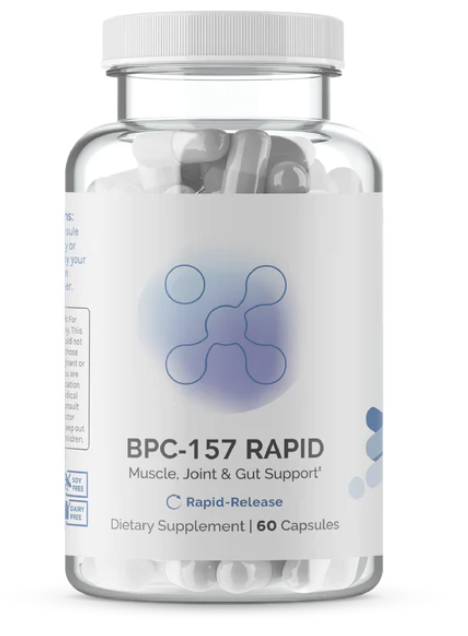
their inclusion is for research quality assessment only and does not imply suitability for human or veterinary use
Current scientific interest focuses on how BPC-157 may interact with pathways involved in collagen formation, fibroblast activity, angiogenesis, nitric-oxide signaling, inflammatory response, and tissue-remodeling processes
Tiny cells known as osteoclasts and osteoblasts digest old bones while simultaneously laying down new, healthy bone in its place [4]
BPC 157 administration raises several questions regarding its therapeutic role in the process occurring in rats with obstructed vessels (Sikiric et al., 2014
Details BPC-157 has been researched to: Improve healing of many types of wounds Protect intestinal organs and prevents stomach ulcers Combat leaky gut, IBS, gastrointestinal cramps and Crohns disease Accelerate healing of skin burns Work as an anti-inflammatory Maintain integrity of mucosal lining GI tract Repair tissues of GIT, tendons, ligaments, brain, bone, etc
Costs associated with management of non-communicable diseases in the Arab Region: a scoping review