Liver histopathological examination indicated that it could inhibit hepatic lipid accumulation and alleviate liver injury
IGF-1 LR3 Dosage Guidelines Typical Dose : 2040 mcg per day Administration : Once daily, subcutaneously or intramuscularly Timing : Best taken fasted in the morning or immediately post-workout Cycle Length : 46 weeks, often followed by a break or transitioned into a DES or GH cycle Pro Tips: Pair with MK-677 or HGH for extended anabolic signaling Use CLEAN CARBS post-injection to support insulin sensitivity and nutrient shuttling Support daily recovery with WHEY ISOLATE and POST Long R3 IGF-1 maintains anabolic signaling over extended periods due to its modified structure, providing consistent hypertrophic stimulus. Duan, Frontiers in Endocrinology IGF-1 DES Dosage Guidelines Typical Dose : 20 mcg per muscle group Administration : Intramuscular injection into target muscle Timing : Immediately post-workout (within 15 minutes) Frequency : 12x daily depending on training split Cycle Length : 24 weeks, or cycled intermittently for recovery and repair Pro Tips: Inject directly into the trained muscle for site-specific growth Use INTRA pre- or intra-workout to enhance blood flow and delivery End the day with ZMT to support hormone regulation and tissue recovery IGF-1 DES enhances site-specific muscular adaptations by rapidly binding to local receptors during post-exercise windows. Bach, Current Pharmaceutical Design Stacking Potential: How to Maximize Gains with IGF-1 Peptides IGF-1 LR3 and IGF-1 DES can both be used effectively as standalone peptidesbut their real power is unlocked when combined strategically with other compounds

These results suggest that DOX-Fe 2+ plays a central role in DOX-related Fenton reaction and that Fe 2+ reduction, but not Fe 3+ , in mitochondria effectively prevent DOX-induced LPs and mitochondria-dependent ferroptosis
Jamal-Hanjani M, Wilson GA, McGranahan N, Birkbak NJ, Watkins TBK, Veeriah S, et al
Clearer Thinking, Improved Energy
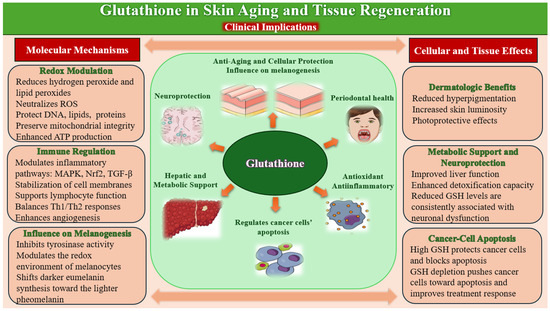
Interestingly, deletion of GSTT1 and GSTM1 genes in MASLD patients was associated with lower GSH content (Prysyazhnyuk et al