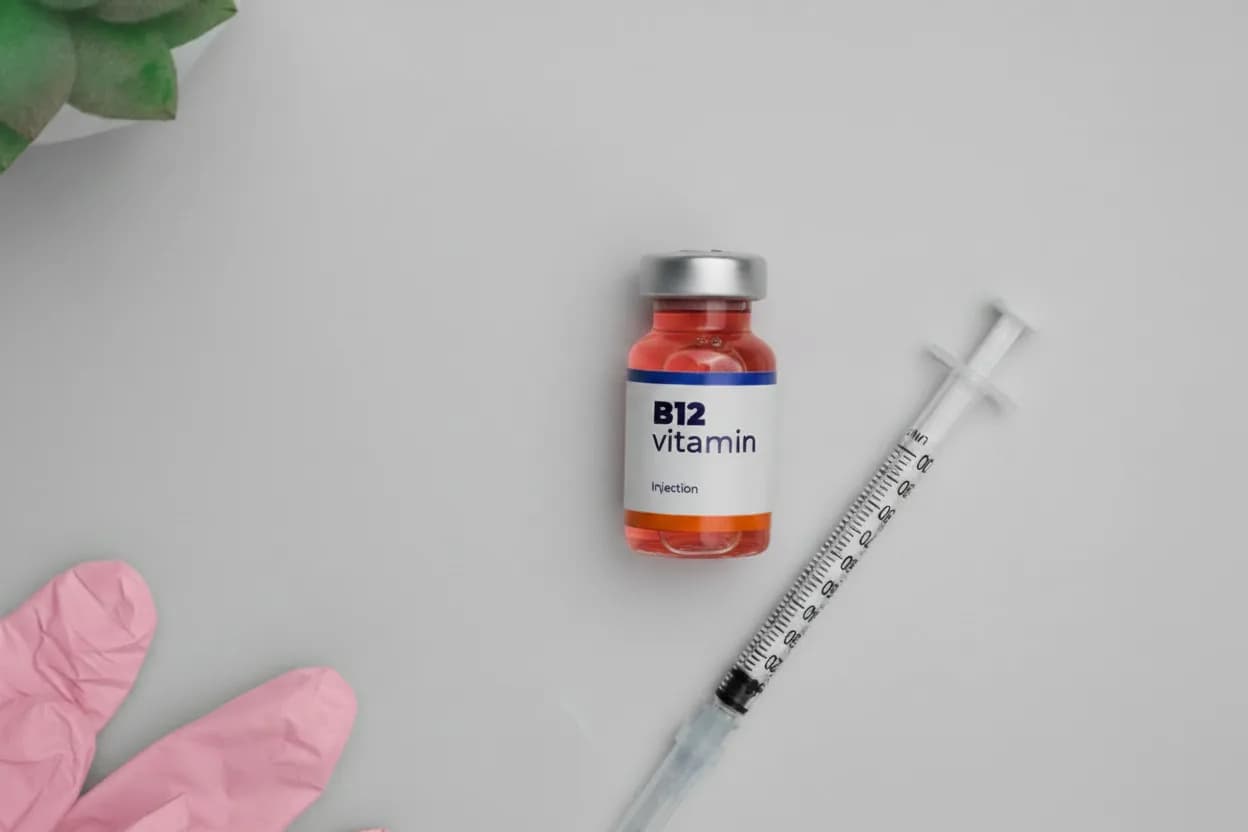
Vitamin B12 shot may be prescribed to prevent or treat the following: Pernicious anemia (a condition in which there are low red blood cell counts due to an abnormality in B12 absorption by the intestines) Megaloblastic anemia (a type of anemia in which there are very large red blood cells called megaloblasts) Cognitive disorders, such as dementia (a disorder characterized by problems with memory, problem-solving abilities, language, etc.) Disorders that affect B12 absorption, such as pancreatic diseases, intestinal infections, Crohns disease, and tropical sprue Cardiovascular disease risk (by lowering blood homocysteine levels, which is a compound associated with an increased risk of heart problems) Multiple sclerosis symptoms Bells palsy recovery B12 deficiencies related to: Weight loss Vegan or restrictive diets Surgery to remove the part of the stomach or the ileum (the last part of the small intestine) Energy and endurance What are signs of vitamin B12 deficiency

Most patients notice the most visible improvements approximately 30 days after beginning treatment including improvements in energy, metabolic function, and initial weight changes
doi: 10.1113/jphysiol.2009.179325 59 LuHHuangDSaederupNCharoIFRansohoffRMZhouL
You're managing two half-lives, two sets of side effects, two storage requirements, and potential interactions that no tox screen has evaluated
Visit our blog section to find answers to all your questions
Semaglutide is a GLP-1 receptor agonist, meaning that it mimics the action of the human incretin glucagon-like peptide-1 (GLP-1), thereby increasing insulin secretion, increasing blood sugar disposal, and improving glycemic control