Fever that starts after the injection

Understanding the timeline helps you plan your B12 therapy for optimal results Effects typically last 1-4 weeks depending on individual metabolism and B12 levels With consistent therapy, benefits become cumulative and longer-lasting Monthly injections typically maintain optimal B12 levels and sustained energy Individual results may vary based on several factors Lower levels may require more frequent treatments initially Faster metabolism may process B12 more quickly Diet, stress, and activity level affect duration Older adults may need more frequent supplementation B12 therapy is generally very safe, but we believe in full transparency about potential risks and safety measures B12 (cyanocobalamin) is an FDA-approved, well-studied vitamin with decades of safe use Excess B12 is naturally eliminated through urine, making overdose extremely rare All injections administered by trained, licensed healthcare professionals Strict adherence to sterile injection protocols and single-use equipment Important: Seek immediate medical attention if you experience signs of severe allergic reaction (difficulty breathing, swelling, severe rash)

Maintenance therapy usually involves injections every two to three months
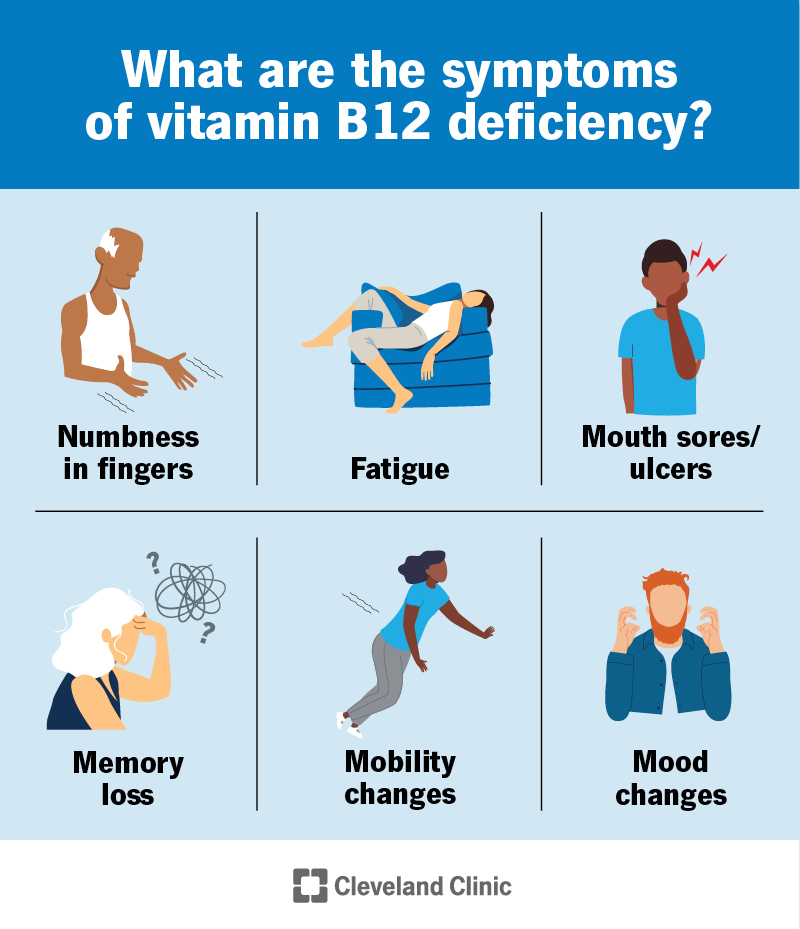
If you have low Vitamin B12 levels, you may find you have symptoms such as: fatigue stress loss of appetite low moods faintness brain fog pale skin
You can improve your symptoms by taking a B12 supplement by mouth, though some prefer to take it as an injection or intravenously
TB4 has been investigated for wound healing, muscle and cardiac repair, and eye injuries, though human evidence remains limited and long-term safety in humans is not well established