Applications of Methylcobalamin Pharmaceutical & Nutraceutical Use Used in the treatment of vitamin B12 deficiency and pernicious anemia Effective in managing peripheral neuropathy (diabetic, chemotherapy-induced) Applied in the treatment of megaloblastic anemia Supports neurological function in multiple sclerosis and neuropathic conditions Used in Bell's palsy and trigeminal neuralgia treatment Promotes nerve regeneration and myelin repair Formulation Development Used in tablets, sublingual tablets, capsules, and injectable solutions Available in oral and parenteral formulations Sublingual delivery bypasses first-pass metabolism for better absorption Requires protection from light during manufacturing and storage Compatible with other B-vitamins and neurological support agents Stable in properly formulated products with light protection Neurological & Metabolic Treatment Supports methylation reactions and homocysteine metabolism Enhances nerve conduction velocity and reduces neuropathic pain Improves cognitive function and mental clarity Supports energy metabolism and reduces fatigue Better retained in tissues compared to cyanocobalamin Directly usable by the body without conversion Safety & Handling Guidelines Protect from lighthighly photosensitive Avoid inhalation of fine powder Use gloves, goggles, and protective clothing during handling Store in amber containers in a cool, dry place protected from light Use under subdued lighting during formulation Follow COA and MSDS instructions strictly Where to Buy Methylcobalamin

However, zinc in excess of the recommended levels may cause taste alterations, including a bad or metallic taste
Forms of B12 Vitamin B12 is available in four different forms
Somatomedin-C mediates growth hormone negative feedback by effects on both the hypothalamus and the pituitary
Over 90 percent of patients report relief within a week after the injection
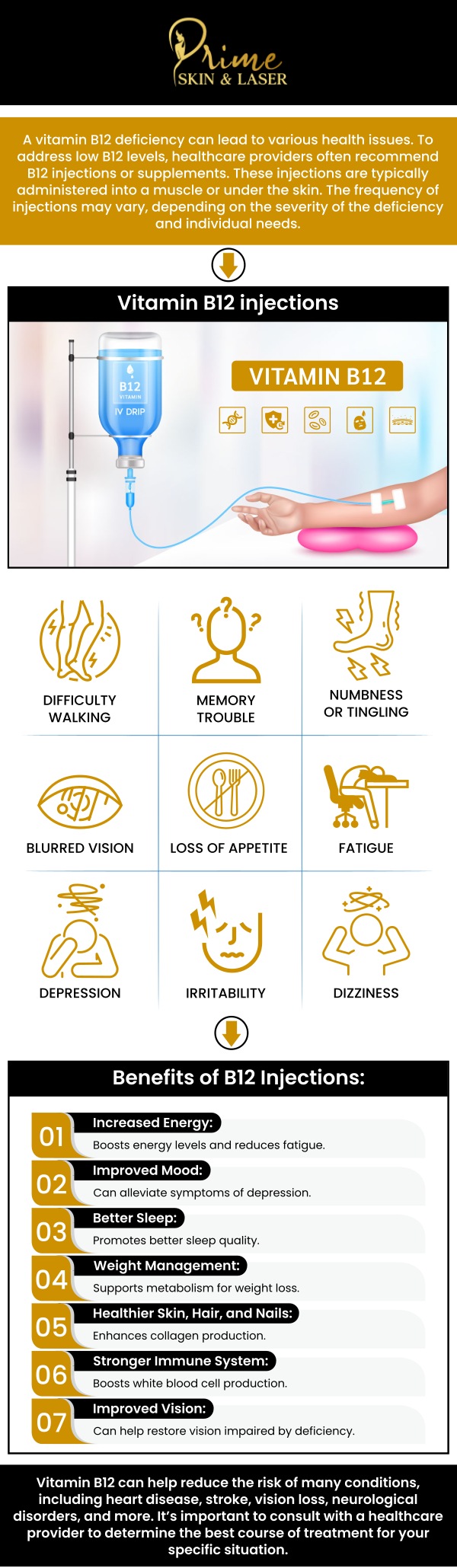
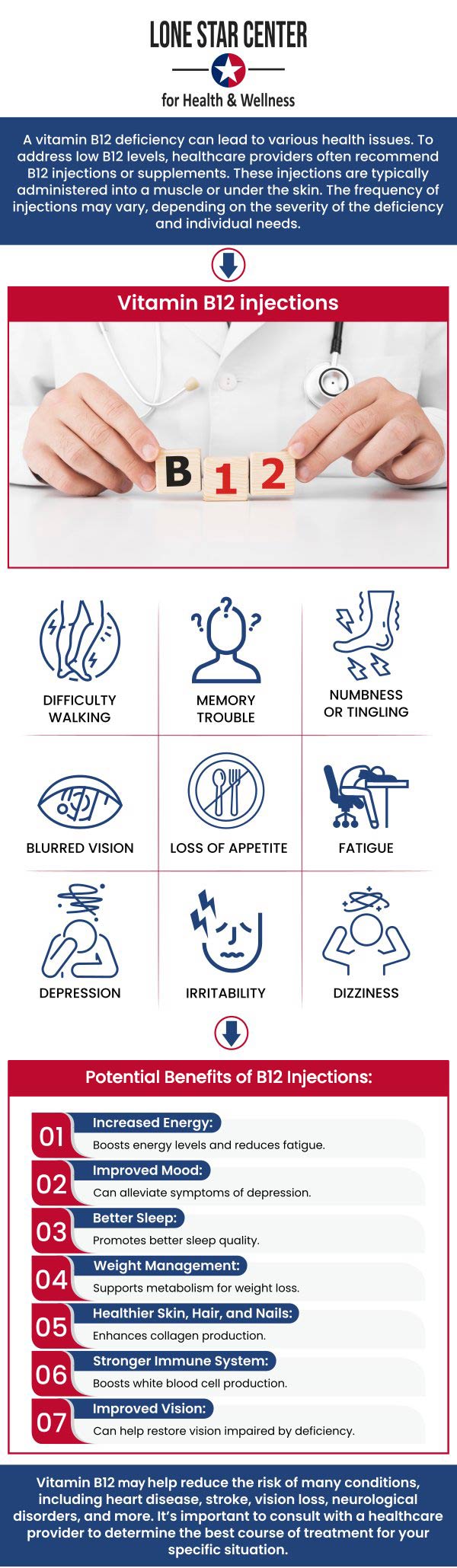
People with diagnosed vitamin B12 deficiency or absorption issues should consider discussing injections with their healthcare provider